What Does The Zebra Cover?
Understanding The Zebra starts with one point: it’s best understood as an online comparison marketplace, not a single insurance carrier. So “what it covers” depends on the insurer you choose through the platform and the coverage package you build. This page is focused on coverage decisions: the core protections you’ll see in most policies (liability, collision, comprehensive, uninsured motorist, and practical add-ons) and the small details that change real-world value.
Compare auto options for the ZIP where the car is parked overnight.
Compare pricing by ZIP, then verify the same limits and deductibles before choosing the lowest price.
To keep your comparison clean, start with one baseline configuration (same ZIP where the car is garaged overnight, same drivers, same vehicle, same limits and deductibles). Then change only one item at a time—like deductibles or add-ons—so you can see what truly affects price without accidentally weakening protection.
Compare Coverage Options Before You Choose
Use the ZIP form to view pricing in your area, then use the coverage guide below to confirm you’re comparing the same protections across carriers (same limits, same deductibles, same add-ons). That’s how you avoid “cheap” results that come from missing coverage.
Coverage building blocks to compare
- Liability, collision, and comprehensive — know what each pays for.
- Match limits and deductibles before ranking premiums.
- Review add-ons (rental, roadside, gap) only after the core quote is set.
Fair ZIP shopping sequence
- Enter the overnight garaging ZIP and run a baseline.
- Adjust one coverage lever at a time and save each version.
- Confirm the final offer with the licensed issuer.
What “Coverage” Means When You Use The Zebra
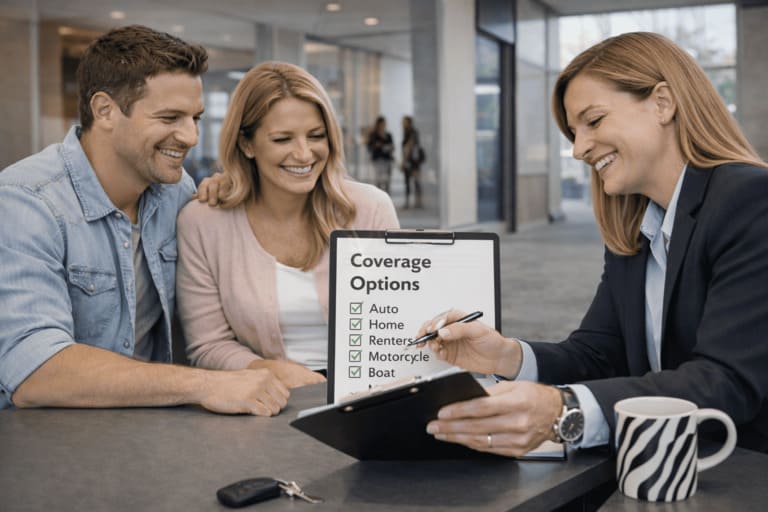
Because The Zebra compares multiple insurance companies, the protection you see is built from standard policy parts. Most policies share the same building blocks; the differences come from limits, deductibles, optional add-ons, exclusions, and how each company prices your profile. For a practical walkthrough on how to get a cleaner comparison and avoid common quote mistakes, see tips for getting the best Zebra insurance quote.
A good rule: if you change companies, keep your coverage settings the same first. That way you can judge the insurer’s pricing and discount strength without the noise of changing protection.
A practical follow-up step is to write down your baseline in one line (limits, deductibles, and must-have add-ons). Then each time you compare, you can confirm the policy matches your baseline before you compare the price. This prevents accidental downgrades like lower liability limits or missing rental coverage.
| Fact to Know | Why It Matters | What to Check | Quick Action |
|---|---|---|---|
| Garaging ZIP can outweigh “good driver” savings | Location drives claim risk and theft/weather exposure | ZIP where the car sleeps most nights | Re-run using the correct garaging ZIP |
| Deductibles can hide coverage differences | Higher deductibles lower premium but raise out-of-pocket cost | Collision + comprehensive deductibles match | Test $500 vs $1,000 with all else identical |
| “Full coverage” is not one standard package | Two “full coverage” policies can differ a lot in limits and add-ons | Liability limits + optional items included | Compare the line items, not the label |
| Add-ons can affect claim outcomes | Rental/roadside can prevent surprise expenses | Rental limits + roadside terms match | Include add-ons in all policies or in none |
| Discounts aren’t equal across companies | Some price mileage/telematics far more aggressively | Discounts applied vs “eligible” only | Confirm: “Is it already included in the shown premium?” |
| Claims experience is part of the “real” cost | A slightly higher premium can be worth easier claims + better repair flow | 24/7 reporting, uploads, tracking, payout options | Choose value after confirming coverage + service, not price alone |
Core Auto Insurance Coverage Types
Below are the most common coverage categories you’ll see when comparing policies. You don’t need every option, but you do want the right mix for your car’s value and your financial risk.
Liability Coverage
Liability pays for injuries and property damage you cause to others. It is required in most states, but state minimums can be low. Many drivers choose higher limits to protect savings and future income—especially if they have assets to protect.
When you compare, match liability limits exactly (for example, 50/100/50 vs 100/300/100). Otherwise, a lower price may simply be less protection.
Collision Coverage
Collision helps repair or replace your car after an accident, regardless of fault. It is often required if your car is financed or leased. The deductible you choose is one of the biggest price levers.
For older vehicles, compare the annual cost of collision coverage to the vehicle’s market value. Sometimes liability-only makes sense, but only after you measure what you could afford to replace out of pocket.
Comprehensive Coverage
Comprehensive covers non-collision losses such as theft, vandalism, fire, hail, falling objects, or animal hits. Like collision, it uses a deductible. This coverage can be especially valuable in high-theft or severe-weather areas.
When comparing companies, keep comprehensive deductibles consistent so you can see who prices the same protection more efficiently.
Uninsured / Underinsured Motorist
If you’re hit by a driver who has little or no insurance, uninsured/underinsured motorist coverage can help pay medical bills and sometimes vehicle damage (depending on state rules). This can be important in areas with higher uninsured rates.
Check whether it’s included automatically or optional in your state, then match the limits across policies for a fair comparison.
Medical Payments / PIP
Medical payments (MedPay) or Personal Injury Protection (PIP) can help cover medical expenses for you and your passengers after an accident. PIP requirements vary by state, and in some places it can also cover lost wages.
When comparing, confirm the benefit amounts and whether your health insurance already covers some of these costs.
Popular Add-Ons You’ll See in Policies
Add-ons can look small on the price, but they matter when you actually need help. The key is to compare them consistently—either include the same add-ons across every policy or remove them from every policy.
Rental Reimbursement
Helps pay for a rental car while your vehicle is being repaired after a covered claim. Confirm daily limits and maximum days—those details vary.
Roadside Assistance
Can cover towing, lockouts, jump-starts, and flat tire help. Compare what’s included and any usage limits.
Gap Coverage (for financed vehicles)
If your car is totaled, gap coverage can help pay the difference between what you owe and what the car is worth. This is most relevant for newer financed cars where depreciation is steep.
Next Step
Use the ZIP form to get a baseline price, then confirm coverage line-by-line before you choose. If you want a page focused specifically on comparing ZIP-based auto pricing inputs and keeping quotes comparable, use: The Zebra auto insurance quotes.
Compare auto options for the ZIP where the car is parked overnight.
Independent comparison site—not affiliated with The Zebra (Insurance Zebra Inc.).